The construction industry is evolving rapidly, and sustainability has become a key priority for builders, developers, and infrastructure companies. Traditional construction practices often result in excessive material waste, high carbon emissions, and environmental pollution. This is where Ready Mix Concrete (RMC) plants play an important role.

Using an RMC plant is not just about convenience and quality—it is also about protecting the environment. From reducing construction waste to conserving natural resources, RMC plants contribute significantly to eco-friendly and sustainable construction practices.

In this blog, we explore the eco-friendly benefits of using an RMC plant, explain how it supports green construction, and why it is the smarter choice for modern projects.

Importance of Eco-Friendly Construction in Today’s World

The construction sector is one of the largest contributors to environmental pollution. High energy consumption, excessive use of raw materials, and improper waste management have long-term effects on nature and human health.

Before discussing the role of RMC plants, it is important to understand why sustainable construction matters so much today.

Eco-friendly construction focuses on reducing environmental impact while maintaining structural quality and safety. It promotes efficient use of resources, lowers emissions, and ensures cleaner construction sites. RMC plants align perfectly with these sustainability goals.

What Is a Ready Mix Concrete (RMC) Plant?

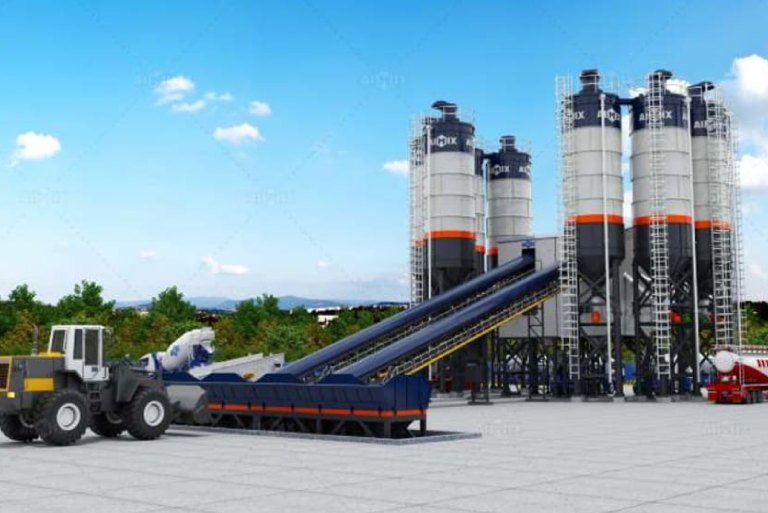
A Ready Mix Concrete plant is a facility where concrete is manufactured in a controlled environment using accurate proportions of cement, aggregates, water, and admixtures.

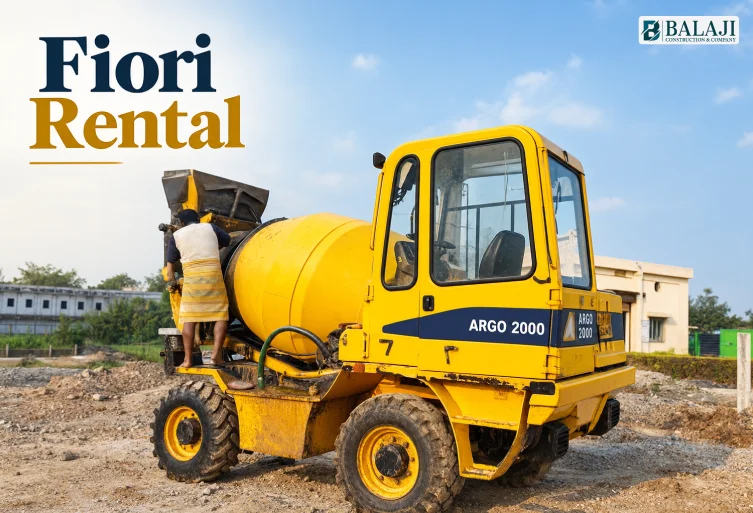
Instead of mixing concrete manually at the construction site, RMC plants prepare the mix centrally and deliver it using transit mixers. This controlled process improves quality and significantly reduces environmental damage caused by traditional site-based mixing.

How RMC Plants Support Eco-Friendly Construction

RMC plants are designed to optimize efficiency and reduce environmental impact. Unlike on-site mixing, they rely on automation, precision, and planned logistics.

Before breaking down the benefits, it is important to understand that eco-friendly construction is not about one factor alone. It involves waste reduction, emission control, resource conservation, and pollution management—all areas where RMC plants perform better than traditional methods.

Reduced Construction Waste with RMC Plants

Construction waste is one of the biggest environmental challenges in the building industry. Traditional concrete mixing often results in excess material, rejected batches, and unnecessary disposal.

RMC plants address this issue effectively

Accurate Batching Reduces Material Waste

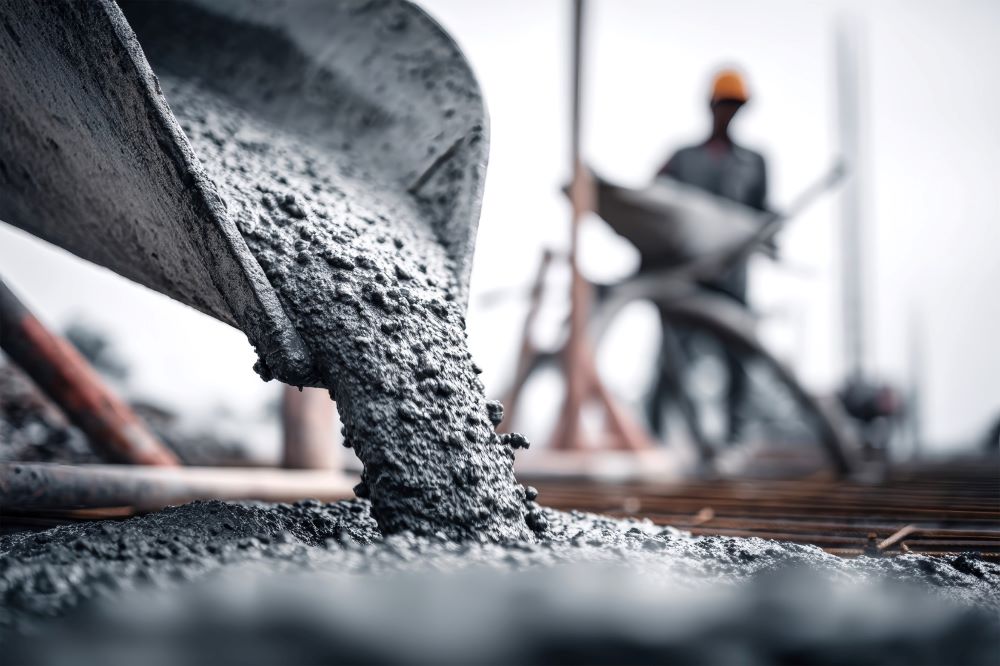
Because RMC plants use computerized batching systems, every mix is prepared with precise measurements. This accuracy ensures that only the required quantity of concrete is produced.

As a result:
  • There is minimal leftover concrete
  • Raw materials are not wasted
  • Disposal requirements are reduced
This controlled production method makes Ready Mix Concrete a cleaner and more sustainable option.

Efficient Use of Natural Resources

Natural resources like sand, gravel, and limestone are limited and need responsible usage. Over-extraction leads to environmental degradation and ecological imbalance.

RMC plants promote efficient material utilization.

Optimized Use of Cement and Aggregates

In traditional site mixing, materials are often overused to avoid strength issues. RMC plants eliminate this problem by using tested mix designs that achieve strength with optimal material quantities.

This approach:

  • Conserves natural resources
  • Reduces unnecessary mining
  • Supports sustainable construction practices

Lower Carbon Emissions and Reduced Environmental Impact

Carbon emissions are a major concern in construction, especially due to cement production and fuel consumption.

RMC plants help reduce emissions in several ways.

Centralized Production Reduces Fuel Usage

Instead of multiple mixers operating at different construction sites, RMC plants centralize concrete production. This reduces the number of machines running simultaneously and cuts down fuel consumption.

Planned delivery routes also minimize transportation distances, further lowering carbon emissions.

Reduced Dust and Air Pollution at Construction Sites

Air pollution caused by cement dust and aggregate handling affects both workers and surrounding communities.

RMC plants significantly reduce this issue.

Cleaner and Safer Working Environment

Concrete produced at RMC plants arrives ready for use, eliminating on-site mixing. This reduces dust generation, improves air quality, and creates a healthier working environment.

Cleaner sites also enhance safety and reduce complaints from nearby residential areas.

Water Conservation Through Controlled Mixing

Water is a valuable resource, and traditional construction practices often waste large amounts of it.

RMC plants implement controlled water usage.

Smart Water Management Systems

RMC plants measure exact water quantities for each mix. Many plants also recycle water used for washing mixers and equipment.

This results in:

  • Reduced water wastage
  • Responsible water consumption
  • Improved sustainability in concrete production

Use of Sustainable and Recycled Materials

Modern construction emphasizes the use of alternative materials to reduce environmental impact.

RMC plants support this approach effectively.

Incorporation of Supplementary Cementitious Materials

Materials such as fly ash and slag are often used in RMC mix designs. These by-products reduce the need for excessive cement while improving durability.

Benefits include:

  • Lower carbon footprint
  • Improved concrete performance
  • Support for circular economy practices

Noise Pollution Reduction in Urban Construction

Noise pollution is a major concern in urban and residential construction projects.

RMC plants help reduce noise levels at construction sites.

Off-Site Mixing Minimizes Disturbance

Since concrete mixing happens at the RMC plant, there is minimal noise from mixers at the site. This makes RMC ideal for projects in populated areas where noise control is essential.

Consistent Quality Leads to Sustainable Structures

Sustainability is not just about environmental protection—it also involves durability and longevity.

RMC plants deliver consistent concrete quality.

Stronger Structures with Longer Lifespan

High-quality concrete reduces the need for repairs, reconstruction, and maintenance. Longer-lasting structures consume fewer resources over time, making them more environmentally friendly.

RMC Plants and Green Building Standards

Many green building initiatives encourage the use of Ready Mix Concrete due to its sustainability benefits

Supporting Environmentally Responsible Construction Goals

Using RMC helps builders meet eco-friendly construction standards by reducing waste, emissions, and resource consumption. This makes RMC an essential component of modern green construction practices.

Why Choose RMC Plants for Eco-Friendly Construction Projects?

Choosing an RMC plant is a strategic decision for builders who care about quality and sustainability.

Before finalizing construction methods, it is important to evaluate long-term environmental impact—not just short-term costs.

Key Reasons to Opt for Ready Mix Concrete

  • Reduced construction waste
  • Lower carbon emissions
  • Efficient resource utilization
  • Cleaner construction sites
  • Sustainable and durable structures

These benefits make RMC plants the preferred choice for environmentally responsible construction.

Future of Sustainable Construction with RMC Plants

The demand for eco-friendly construction solutions is increasing rapidly. Governments, developers, and consumers are becoming more aware of environmental responsibility.

RMC plants are expected to play an even bigger role in shaping the future of sustainable infrastructure. With advancements in technology and mix design, Ready Mix Concrete will continue to support greener and smarter construction practices.

Conclusion: Building Sustainably with RMC Plants

The eco-friendly benefits of using an RMC plant clearly demonstrate why it is the best choice for modern construction projects. From reducing waste and conserving resources to lowering emissions and improving site safety, RMC plants contribute significantly to sustainable development.

By adopting Ready Mix Concrete, builders can achieve high-quality construction while protecting the environment and supporting a greener future.

FAQs

Have questions? We’ve answered some of the most common queries to help you understand the topic better

1. Is Ready Mix Concrete environmentally friendly?

Yes, Ready Mix Concrete is environmentally friendly because it reduces waste, lowers emissions, and optimizes resource usage through controlled production.

2. How does an RMC plant reduce construction waste?

RMC plants use precise batching systems, ensuring only the required amount of concrete is produced, minimizing leftover material.

3. Does using an RMC plant help reduce carbon emissions?

Yes, centralized production and efficient transportation significantly reduce fuel consumption and carbon emissions.

4. Can RMC plants save water in construction?

Yes, RMC plants use measured water quantities and often recycle water, reducing overall water wastage.

5. Why is RMC better than site-mixed concrete for sustainability?

RMC offers better quality control, less pollution, efficient material usage, and long-term environmental benefits compared to site-mixed concrete.

Post a comment

Your email address will not be published.

Related Posts