In today’s fast-paced construction industry, quality and efficiency go hand in hand. The demand for durable structures and rapid project completion has driven companies to rely on Ready-Mix Concrete (RMC) rather than traditional on-site mixing. But what truly ensures superior quality in every batch of concrete is technology in RMC plants.

From automated batching systems to real-time monitoring and GPS-enabled delivery, modern RMC plants are equipped with innovative technologies that ensure strength, consistency, and sustainability. Let’s explore how these advancements are transforming construction quality across India.

Understanding the Role of RMC Plants in Modern Construction

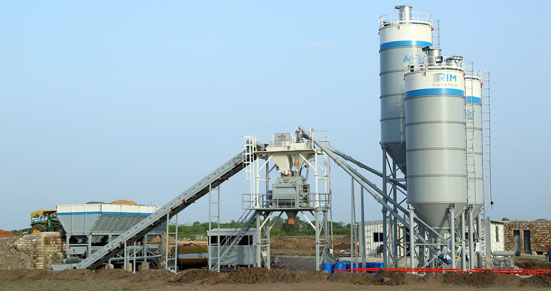
RMC plants have become an integral part of modern infrastructure development. Instead of mixing concrete manually at construction sites, concrete is prepared in centrally controlled plants and transported in transit mixers to the site.

This process not only saves time but also ensures uniform quality. The Ready-Mix Concrete industry has grown significantly in India due to urbanization, smart city projects, and large-scale infrastructure initiatives.

How RMC Ensures Better Quality Than Site-Mixed Concrete

Before the adoption of RMC plants, builders depended on site-mixed concrete, which often led to variations in strength, water content, and durability. With RMC, the process is standardized — raw materials are tested, proportioned accurately, and mixed under controlled conditions.

As a result, every batch of concrete produced in an RMC plant offers consistent compressive strength, reduced waste, and improved construction quality. This consistency forms the foundation of modern structures like bridges, towers, and residential buildings.

Key Technologies Used in Modern RMC Plants

Technology has completely transformed the way Ready-Mix Concrete is produced, monitored, and delivered. Every stage — from batching to dispatching — is now automated and data-driven. These innovations enhance precision, reduce errors, and improve efficiency.

1. Automated Batching and Mixing Systems

Automation lies at the heart of every modern RMC plant. Automated batching systems ensure that each component — cement, sand, aggregates, and water — is measured precisely according to the approved mix design.

These computerized systems replace manual labor, eliminating errors in material proportions and ensuring uniform concrete strength. They also speed up production and reduce human intervention, ensuring continuous quality control.

2. Computerized Control Panels and Software

Advanced control panels and plant software monitor the entire mixing process in real time. Operators can track mix ratios, temperatures, and moisture levels directly from a digital interface.

If any parameter deviates from the set standards, the system automatically adjusts it, ensuring every load meets strict quality benchmarks. Such systems make the entire process transparent and traceable, giving engineers confidence in the final product.

3. Moisture and Temperature Sensors

Concrete performance heavily depends on water-cement ratio and temperature. To maintain the perfect mix, modern RMC plants use moisture sensors to detect the water content in aggregates and temperature sensors to maintain ideal mixing conditions.

These sensors ensure that concrete produced remains durable, crack-resistant, and capable of withstanding extreme weather conditions. This results in long-lasting concrete structures with minimal maintenance requirements.

4. GPS and Fleet Tracking Systems

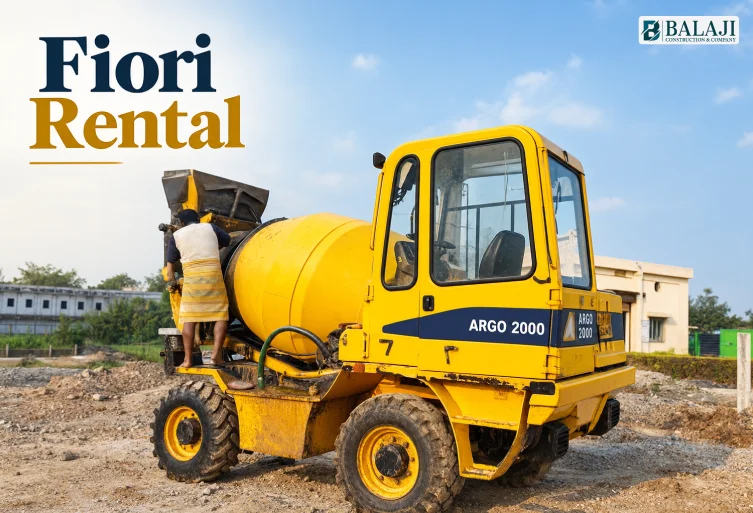
Timely delivery of RMC is as critical as its production. GPS-based vehicle tracking systems help plant managers monitor the movement of transit mixers from the plant to the site.

With GPS tracking, delays are minimized, traffic routes are optimized, and clients receive live updates about delivery schedules. This ensures that concrete reaches the site within the required time frame, maintaining its freshness and workability.

5. IoT-Enabled Real-Time Data Monitoring

The Internet of Things (IoT) has brought a digital revolution to RMC plants. IoT sensors and devices collect data at every stage of production — including mixing speed, slump value, batching weight, and temperature.

This real-time data helps engineers maintain consistency and quality control across multiple batches. In case of any anomaly, alerts are triggered instantly, enabling corrective action before the concrete is dispatched. It’s a perfect blend of technology and precision in concrete production.

Benefits of Technology in RMC Plants

Technological advancements in RMC plants benefit not just the manufacturers but also builders, contractors, and clients. Here’s how technology enhances overall construction quality and efficiency.

Consistent Concrete Quality

Automated batching and monitoring systems guarantee uniform strength and composition in every batch. This ensures that no matter how large the project is, concrete quality remains consistent from start to finish.

Improved Project Timelines

Since RMC is prepared and delivered in a ready-to-use form, projects progress faster. Automated systems reduce waiting times and improve coordination between plant and site, helping builders meet deadlines without compromising quality.

Cost Savings and Material Efficiency

Precise measurement of ingredients minimizes waste of cement and aggregates. This leads to cost-effective construction, reducing expenses related to rework or material loss.

Enhanced Sustainability

Modern RMC plants integrate eco-friendly practices like recycling wastewater, using energy-efficient mixers, and minimizing dust emissions. Technology also supports the use of green admixtures and recycled aggregates — promoting sustainable construction in India.

Better Quality Assurance and Transparency

Every batch of RMC produced can be tracked digitally through batch reports, sensor data, and delivery logs. This level of traceability builds trust between RMC suppliers, contractors, and clients.

How Technology Enhances Construction Quality

Technology has a direct and measurable impact on construction quality. By maintaining strict control over raw materials and processes, RMC plants ensure superior structural performance.

Improved Strength and Durability

Precise batching ratios ensure that the compressive strength of concrete is achieved as per design requirements. Advanced mixing ensures uniform distribution of cement and aggregates, resulting in durable and long-lasting structures.

Reduced Human Error

Manual mixing often leads to mistakes in water addition or cement quantity. With computerized systems, these risks are completely eliminated, guaranteeing error-free production.

Faster Curing and Early Strength Gain

Technology enables the use of additives and admixtures that speed up curing and improve early-age strength — crucial for projects that require quick completion.

Accurate Slump Control

Sensors and digital monitoring ensure the desired slump value is maintained, leading to consistent workability and easy placement at the construction site.

Impact of RMC Technology on Large-Scale Infrastructure Projects

India’s infrastructure boom — highways, metros, flyovers, and smart cities — depends on the timely supply of high-quality concrete. Technologically advanced RMC plants make this possible by offering bulk production capacity, reliability, and customized concrete grades.

Smart City and Metro Projects

Projects like smart cities and metro rail systems demand precision and sustainability. With technology-enabled RMC plants, contractors can ensure environmentally responsible construction while maintaining the required strength and finish.

Commercial and Industrial Structures

For large commercial complexes and factories, quality consistency is key. Automated RMC technology guarantees concrete that meets stringent industrial standards, improving safety and durability.

Future of RMC Technology in India

As India’s construction industry continues to grow, RMC technology is evolving rapidly. The future is all about digitalization, automation, and sustainability.

Newer plants are integrating AI-based control systems, predictive maintenance tools, and cloud-based dashboards for real-time analytics. This ensures continuous improvement and performance optimization.

Upcoming Trends in RMC Technology

The next generation of RMC plants will include:

  • AI-driven predictive maintenance to reduce downtime
  • Drone-based quality inspection at project sites
  • Use of alternative materials like fly ash and slag for greener mixes
  • Automated delivery scheduling through cloud software
  • Real-time quality tracking via mobile applications

These innovations will redefine the Ready-Mix Concrete industry in India, ensuring higher efficiency, safety, and sustainability.

Conclusion

Technology in RMC plants is transforming construction quality in India. From automated batching to IoT monitoring and GPS logistics, every innovation contributes to stronger, safer, and faster projects.

Builders and developers who partner with technologically advanced RMC suppliers gain access to consistent quality, cost savings, and sustainability benefits. As infrastructure needs grow, embracing digital RMC production is not just an option — it’s the future of modern construction.

FAQs

Have questions? We’ve answered some of the most common queries to help you understand the topic better

1. What is the role of technology in RMC plants?

Technology ensures precision in concrete mixing, monitoring, and delivery, leading to improved quality, consistency, and durability in construction.

2. How do automated batching systems improve RMC quality?

Automated batching systems measure materials accurately, eliminating manual errors and ensuring every batch meets the required strength and mix design.

3. What are the benefits of IoT in RMC production?

IoT enables real-time monitoring of temperature, moisture, and mix proportions, helping maintain consistent concrete quality and reducing wastage.

4. Why is RMC preferred over site-mixed concrete?

RMC offers uniform strength, faster delivery, and better quality control compared to traditional site-mixed concrete.

5. How does RMC technology support sustainable construction?

Modern RMC plants recycle water, optimize energy use, and use eco-friendly admixtures, contributing to greener and more sustainable construction.

Post a comment

Your email address will not be published.

Related Posts