Ensuring proper curing of ready mix concrete is crucial for building strong, durable, and crack-free structures. Many construction projects fail due to inadequate curing, even when using high-quality ready mix concrete. Curing is the process of maintaining the concrete moist, protected, and at an optimal temperature so that it achieves its designed strength and durability.
Whether you are working on residential foundations, commercial slabs, or concrete pavements, following proper curing techniques is essential. This guide covers practical tips, methods, and expert recommendations for achieving the best results.
What is Curing of Ready Mix Concrete?
Curing is the process of maintaining adequate moisture and temperature in concrete after it has been placed and finished. Proper curing allows the cement to hydrate completely, which directly impacts the strength, durability, and appearance of the concrete.
Without proper curing, concrete can suffer from:
- Surface cracks
- Reduced compressive strength
- Lower durability
- Uneven color and texture
By implementing correct curing practices, you ensure that your concrete performs well under heavy loads, environmental stresses, and long-term wear.
Key Benefits of Proper Curing
Proper curing provides multiple benefits for ready mix concrete applications:
- Increases strength:Fully hydrated cement produces stronger concrete.
- Prevents shrinkage cracks:Moisture retention minimizes early-age cracking.
- Enhances durability:Well-cured concrete resists weathering, chemical attacks, and freeze-thaw cycles.
- Improves surface finish:Proper curing ensures smooth and even surfaces.
These benefits are essential for both structural and non-structural concrete applications, making curing a critical step in construction projects.
Why Proper Curing is Crucial for Ready Mix Concrete
Ready mix concrete is widely used due to its convenience, quality control, and consistency. However, even the best-quality ready mix can fail if not cured properly.
Curing ensures that hydration occurs uniformly, resulting in concrete that is strong, durable, and aesthetically appealing. Improper curing can lead to surface defects, low strength, and increased maintenance costs.
Factors Affecting Curing
Several factors influence the curing process and duration:
- Ambient temperature:High temperatures cause rapid moisture loss, while cold slows hydration.
- Concrete mix design:High-strength concrete may require longer curing periods.
- Application type:Pavements, slabs, and foundations may require different curing techniques.
Understanding these factors allows contractors and builders to select the best curing method for each project.
Optimal Methods for Curing Ready Mix Concrete
Maintaining moisture and temperature in fresh concrete is essential. There are several methods suitable for different situations, each with its advantages and limitations.
Before diving into methods, it is important to remember that curing should begin immediately after the initial set to prevent surface cracking and shrinkage.
1. Water Curing
Water curing is the most traditional and effective method for maintaining adequate moisture. It is suitable for flat surfaces, slabs, and pavements.
Techniques for Water Curing:
- Ponding:Creating shallow water ponds on flat surfaces.
- Sprinkling:Regularly spraying water to maintain surface moisture.
- Wet coverings:Using burlap, jute mats, or cotton blankets soaked in water.
Tip: Water curing should continue for at least 7 days for normal concrete and 10–14 days for high-strength concrete.
Advantages:
- Ensures uniform hydration
- Simple and cost-effective
- Improves compressive and tensile strength
Limitations:
- Requires a reliable water supply
- Labor-intensive for large surfaces
2. Membrane Curing
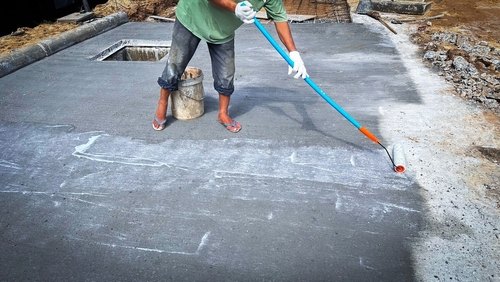
Membrane curing involves applying chemical curing compounds that form a moisture-retaining film on the concrete surface. This method is ideal for areas where water curing is impractical.
Common Applications:
- Concrete pavements
- Commercial slabs
- Hot and dry climates
Advantages:
- Reduces evaporation
- Easy to apply on large surfaces
- Minimizes labor requirements
Limitations:
- Slightly higher cost than water curing
- Requires proper application for effectiveness
3. Steam Curing
Steam curing accelerates the hydration process by using high-temperature steam, making it suitable for precast concrete and factory-produced elements.
Benefits:
- Speeds up strength gain
- Maintains uniform temperature
- Ideal for precast beams, blocks, and panels
Limitations:
- Not practical for on-site concrete
- Requires special equipment and monitoring
Duration of Curing Ready Mix Concrete
The curing period is critical for achieving optimal concrete strength and durability.
- Normal concrete:7–14 days
- High-strength concrete:14–21 days
- Hot climates:Additional measures like wet coverings or chemical curing compounds are necessary to prevent rapid evaporation
Tip: The curing process should continue until the concrete reaches the desired strength, which is verified through compressive strength tests.
Common Mistakes During Concrete Curing
Even experienced builders make mistakes during curing. Avoid these common errors:
- Skipping early curing:Delaying curing can cause surface cracking.
- Insufficient moisture:Concrete dries too fast without proper hydration.
- Ignoring weather conditions:Hot, dry, or windy weather requires additional curing measures.
- Removing formwork too early:Premature removal reduces structural integrity.
Avoiding these mistakes ensures your concrete achieves maximum strength and durability.
Best Practices for Curing Ready Mix Concrete
Implementing best practices can enhance curing results:
- Start curing immediately after finishing concrete.
- Monitor temperature, humidity, and surface conditions.
- Use water curing, wet coverings, or curing compoundsdepending on the situation.
- Educate laborers on proper handling and curing techniques.
- Avoid rapid temperature changesthat can cause cracks.
Following these practices guarantees strong, durable, and aesthetically pleasing concrete.
Conclusion
Proper curing of ready mix concrete is essential for achieving durable, strong, and crack-free structures. By understanding curing methods, duration, and best practices, builders can ensure that their projects perform optimally under load and environmental conditions.
Whether you choose water curing, membrane curing, or steam curing, the key is to maintain moisture and protect the concrete during the early stages. Implement these practices to enjoy long-lasting, high-quality concrete structures.
FAQs
Have questions? We’ve answered some of the most common queries to help you understand the topic better
1. How long should ready mix concrete be cured?
Curing typically lasts 7–14 days for normal concrete and 14–21 days for high-strength concrete.
2. What is the most effective curing method?
Water curing is the most effective, but membrane or steam curing can be used depending on conditions.
3. Can curing be skipped in small projects?
No, skipping curing can lead to weak concrete, cracks, and reduced durability.
4. How does hot weather affect curing?
Hot weather causes rapid moisture loss, requiring additional measures like wet coverings or chemical curing compounds.
5. Does curing improve concrete strength?
Yes, curing allows complete hydration of cement, which increases compressive and tensile strength.
Post a comment Cancel reply
Related Posts
Rapid Hardening Concrete in Pushkar: Build Faster with Reliable Strength
The construction industry in Pushkar is growing steadily with new homes, hotels, resorts, commercial buildings,…
RMC Plant In Ajmer
The construction industry in Ajmer has witnessed remarkable growth over the past few years, driven…
Fiori Rental in Ajmer
Whether you are building a residential house, commercial complex, industrial unit, road, or infrastructure project,…
Rapid Hardening Concrete: Benefits, Properties, Uses and Applications in Modern Construction
Introduction Rapid Hardening Concrete is one of the most important innovations in the construction industry,…