Concrete is the foundation of every construction project — from small homes to large commercial buildings. Choosing the right type of concrete can make a big difference in strength, quality, cost, and efficiency. The two most popular types are site-mixed concrete and ready mix concrete (RMC).

While both serve the same purpose, they differ in terms of preparation, quality control, and convenience. Let’s dive deeper to understand which option suits your project best.

Understanding the Basics of Concrete Mixing

Before comparing the two, it’s important to know what makes concrete so vital in construction. Concrete is a mix of cement, sand, aggregates, and water, combined in specific proportions to create a strong, durable material.

The Role of Concrete in Modern Construction

Concrete binds structures together, providing long-lasting support. Whether it’s a home foundation, bridge, or skyscraper, concrete determines the building’s overall stability. Hence, the method of mixing concrete — whether on-site or in a plant — affects its performance.

What is Site-Mixed Concrete?

Site-mixed concrete, also known as hand-mixed concrete, is prepared directly at the construction site using raw materials. The cement, sand, and aggregates are mixed manually or with a small machine.

How Site-Mixed Concrete is Prepared

This method allows flexibility in adjusting mix proportions, depending on project size and environmental conditions. Typically, workers use small mixers and measure materials manually, which can sometimes cause inconsistency.

Advantages of Site-Mixed Concrete

Site-mixed concrete still has its benefits, especially for small or remote construction sites.

1. Flexibility in Mix Design

One of the biggest advantages of site-mixed concrete is that you can adjust the ratio of materials anytime. If you need a stronger mix, you can add more cement instantly.

2. Easy Availability of Materials

All materials are available locally, which means you don’t need to rely on a batching plant or delivery truck.

3. Suitable for Small Projects

For minor repair works, small-scale houses, or rural areas, site-mixing can be cost-effective and convenient.

Disadvantages of Site-Mixed Concrete

Despite its traditional use, site-mixed concrete has several drawbacks when compared to ready mix concrete.

1. Quality Inconsistency

Manual mixing often leads to uneven ratios, affecting the strength and durability of concrete.

2. Higher Labor Costs

It requires more manpower and time to prepare, mix, and pour concrete on-site.

3. Material Wastage

A lot of cement, sand, and aggregates get wasted due to inaccurate measurement and improper storage.

4. Environmental Pollution

Dust, noise, and debris from mixing on-site contribute to pollution and reduce site cleanliness.

What is Ready Mix Concrete (RMC)?

Ready Mix Concrete (RMC) is produced in a controlled environment using advanced batching machines. The concrete is designed, mixed, and tested in a factory and then transported to the construction site using specialized transit mixers.

Before moving further, let’s understand how it’s made.

How Ready Mix Concrete is Made

RMC plants follow strict quality standards. Each batch is precisely measured and mixed to ensure consistent strength and performance. Once ready, it’s poured into concrete trucks and delivered directly to your site, ready for immediate use.

Benefits of Ready Mix Concrete

Ready mix concrete has become the go-to choice for most modern projects, from residential apartments to highways.

1. Consistent Quality

RMC is prepared using computerized batching, ensuring perfect proportion and consistency in every batch.

2. Time-Saving

Since it arrives ready to pour, there’s no need for on-site mixing. This significantly speeds up construction.

3. Cost-Effective in the Long Run

Although RMC might seem slightly expensive initially, it reduces labor costs, material wastage, and project delays.

4. Eco-Friendly

Less dust, noise, and waste make ready mix concrete an environmentally friendly choice.

5. Strength and Durability

Each mix is scientifically designed for maximum compressive strength, ensuring better performance and long-term durability.

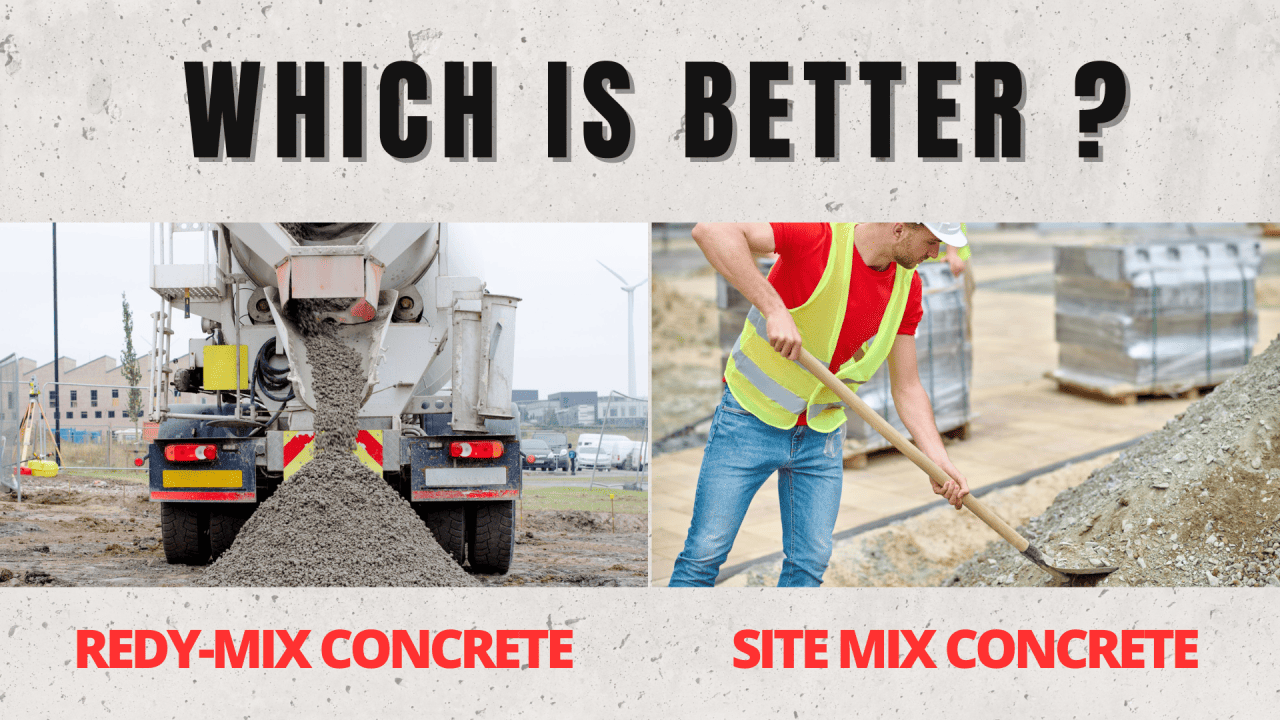
Site-Mixed vs Ready Mix Concrete – A Detailed Comparison

When choosing between site-mixed and ready mix concrete, understanding their key differences can help you make an informed decision.

1. Quality Control

Site-mixed concrete relies on manual methods, leading to inconsistency. In contrast, RMC is produced under strict supervision and tested for quality, ensuring high precision.

2. Time and Labor

Site-mixing takes longer and requires more workers. Ready mix concrete reduces both time and labor, helping complete projects faster.

3. Material Usage

RMC minimizes wastage because materials are measured accurately in plants. Site-mixing often leads to overuse or loss of materials.

4. Storage and Space

Site-mixing needs large areas for raw materials. Ready mix concrete eliminates the need for on-site storage.

5. Cost Efficiency

While site-mixing may look cheaper initially, the hidden costs of labor, wastage, and delays make it costlier. RMC offers better value for money in the long term.

6. Environmental Factors

Ready mix concrete generates less pollution and noise, making it a cleaner option for urban projects.

Why Ready Mix Concrete is the Better Choice

For most construction projects today, ready mix concrete clearly stands out. It’s consistent, efficient, and sustainable. With the growing need for speed and quality, RMC supports faster and more reliable construction.

How RMC Improves Construction Quality

RMC ensures uniform strength and durability. Whether you’re building a residential complex, a bridge, or a commercial tower, you get the same mix quality in every batch. This improves overall structural performance.

Choosing RMC for Long-Term Value

RMC might seem like a slightly bigger investment, but it saves significant time, manpower, and rework costs, making it the smarter choice for professional builders.

Tips to Choose the Best Ready Mix Concrete Supplier

Selecting the right RMC supplier can further improve your construction results.

1. Check for Quality Certifications

Always choose a supplier with certifications like ISO or BIS to ensure compliance with industry standards.

2. Verify Plant Technology

Modern batching plants use advanced automation and quality control systems. This ensures consistent mix quality.

3. Timely Delivery

Choose a supplier with efficient transport facilities to ensure on-time delivery of fresh concrete.

4. Technical Assistance

Good suppliers offer expert advice on mix design, helping you choose the right grade of concrete for your project.

5. Reputation and Reviews

Always check customer reviews, past projects, and the company’s reliability before finalizing.

Conclusion

When we compare site-mixed vs ready mix concrete, the difference is clear — ready mix concrete offers more advantages in terms of quality, efficiency, and sustainability.

If you are working on a large or time-sensitive project, RMC will give you uniform results, quicker completion, and long-term strength. On the other hand, site-mixed concrete still works well for small-scale, low-budget, or temporary constructions.

To ensure your next project stands strong, choose Balaji Ready Mix Concrete — a trusted name in delivering high-quality, durable, and eco-friendly concrete solutions across India.

FAQs

Have questions? We’ve answered some of the most common queries to help you understand the topic better

1. Which is stronger – site-mixed or ready mix concrete?

Ready mix concrete is stronger because it’s made under controlled conditions with precise measurements.

2. Does ready mix concrete save time?

Yes, RMC arrives ready to use, saving valuable on-site preparation time.

3. Can ready mix concrete be customized?

Absolutely! You can choose specific grades and mix types depending on project requirements.

4. Is ready mix concrete environmentally friendly?

Yes, RMC reduces dust, noise, and material waste, making it more eco-friendly than site-mixing.

5. Why choose Balaji Ready Mix Concrete?

Balaji offers premium-quality RMC, reliable service, and fast delivery to ensure your construction runs smoothly.

Post a comment

Your email address will not be published.

Related Posts