Ready mix concrete (RMC) has become the backbone of modern construction. It eliminates on-site mixing hassles, ensures consistency, and saves time. For builders and contractors, understanding the ready mix concrete delivery process is essential to ensure smooth construction and strong, durable structures.

What is Ready Mix Concrete?

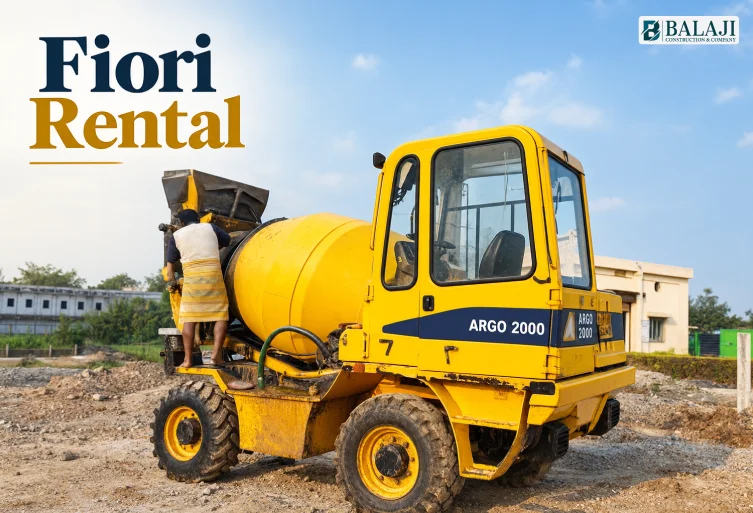
Ready mix concrete is pre-mixed concrete prepared at an RMC plant, combining cement, aggregates, water, and chemical additives in precise proportions. Unlike traditional site-mixed concrete, RMC is delivered in transit mixers, maintaining uniform quality.

Using ready mix concrete improves efficiency, reduces material wastage, and ensures a reliable finish. It is suitable for residential, commercial, and infrastructure projects where quality and timely delivery are priorities.

Step 1: Placing an Order for Ready Mix Concrete

Before delivery, contractors must place an order with an RMC supplier. This step involves:

  • Calculating the required concrete volume based on project size
  • Selecting the appropriate concrete grade for structural needs
  • Confirming delivery time and site location

Proper planning ensures the project runs smoothly, prevents shortages or delays, and guarantees that the concrete arrives at the right stage of construction.

Step 2: Batching and Mixing at the Plant

Once the order is confirmed, the RMC plant begins batching and mixing.

  • Batching: Measuring the correct amounts of cement, sand, aggregates, water, and additives
  • Mixing: Thoroughly combining the components to ensure a uniform and consistent mixture

Modern RMC plants often use automated batching systems to achieve precision, which guarantees the same quality in every batch.

Step 3: Loading Concrete into Transit Mixers

After mixing, the concrete is loaded into transit mixers for transport. These trucks are specially designed to:

  • Keep the concrete continuously in motion to prevent segregation
  • Deliver the concrete over long distances without affecting strength or workability

Maintaining a steady rotation ensures the concrete arrives at the site fresh and ready to pour, preserving its properties for optimal construction results.

Step 4: Transportation to the Construction Site

Transit mixers transport the concrete directly to the construction site. During transportation, it is important to:

  • Avoid long delays that may compromise workability
  • Ensure the route is accessible for large trucks
  • Monitor temperature and consistency to prevent premature setting

Proper transport helps maintain concrete quality, ensuring it can be poured and finished efficiently once on-site.

Step 5: Concrete Placement at the Site

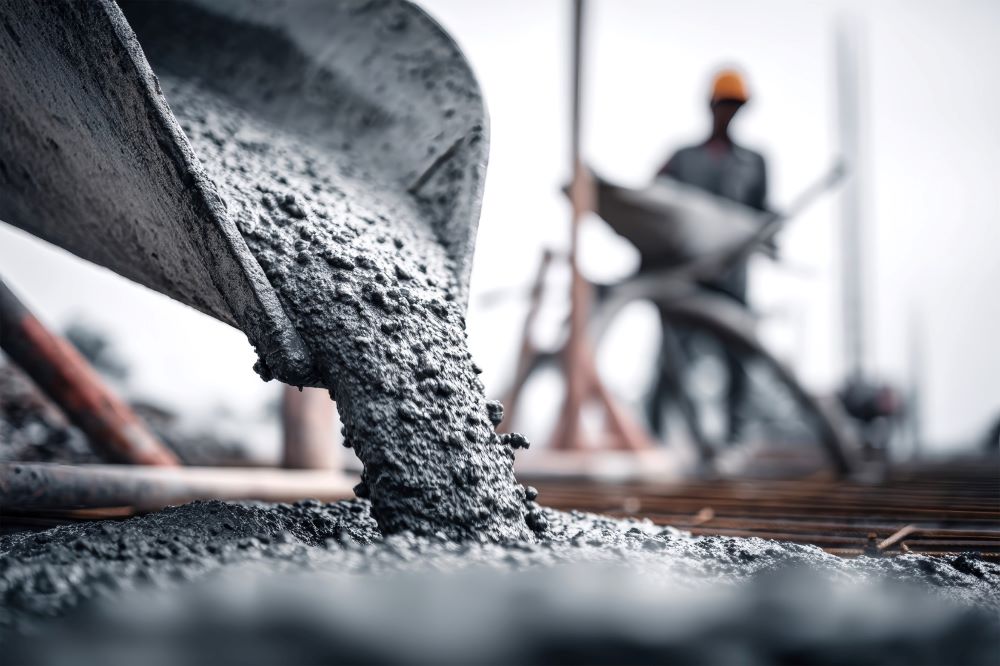
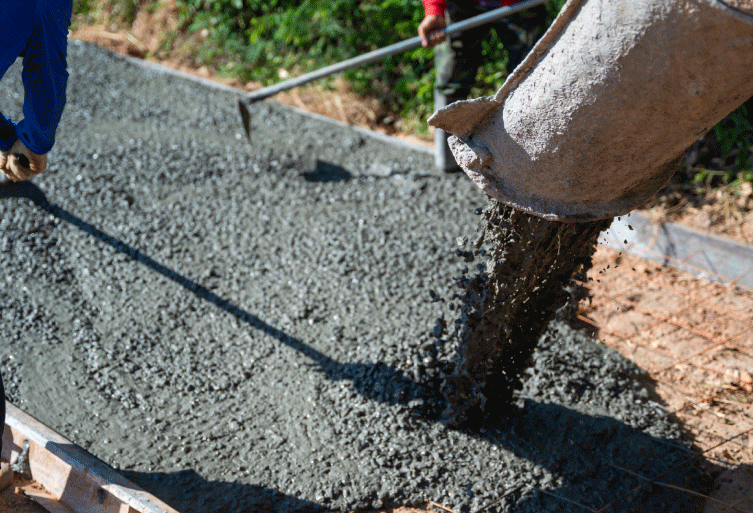
Once the concrete arrives, it is poured into prepared molds or forms. Placement involves:

  • Positioning the concrete close to the pouring area
  • Using tools like vibrators and screeds to remove air pockets and level the surface
  • Pouring continuously to avoid cold joints which can weaken the structure

Correct placement is crucial for achieving structural integrity and smooth surfaces.

Step 6: Compaction and Finishing

After placement, the concrete is compacted and finished to ensure density and smoothness. Steps include:

  • Vibrating to remove trapped air and avoid honeycombing
  • Troweling or screeding for a polished, level surface
  • Curing by maintaining moisture for 7–28 days to achieve maximum strength

Proper compaction and curing improve durability and long-term performance, making the structure more resilient.

Step 7: Quality Inspection and Testing

Quality control is essential to ensure that the delivered ready mix concrete meets project standards. Typical tests include:

  • Slump test to check workability
  • Compressive strength test to confirm structural integrity
  • Visual inspection for cracks, honeycombing, or surface defects

Frequent testing ensures compliance with construction standards and enhances safety.

Benefits of Ready Mix Concrete Delivery

Ready mix concrete delivery offers multiple advantages:

  1. Consistent Quality: Ensures a uniform mix every time
  2. Time Efficiency: Eliminates on-site mixing, speeding up construction
  3. Reduced Wastage: Pre-measured components minimize material loss
  4. Cost-Effective: Less labor and better resource utilization
  5. Eco-Friendly: Reduced dust, noise, and on-site pollution

These benefits make RMC the preferred choice for modern construction projects.

Tips for Smooth Ready Mix Concrete Delivery

To optimize delivery and ensure a smooth construction process, follow these tips:

  • Plan ahead: Schedule delivery considering traffic and site readiness
  • Check site accessibility: Ensure large trucks can reach the area easily
  • Maintain communication: Coordinate with suppliers to avoid delays
  • Monitor weather: Avoid extreme temperatures or rain during pouring

Following these steps ensures that concrete arrives fresh, workable, and ready for immediate use.

Conclusion

The step-by-step process of ready mix concrete delivery ensures consistent quality, faster construction, and stronger structures. From batching at the plant to careful placement and curing at the site, every stage plays a vital role in achieving long-lasting results. By understanding and following this process, builders and contractors can enhance productivity and minimize errors, ensuring smoother construction projects.

FAQs

Have questions? We’ve answered some of the most common queries to help you understand the topic better

1. How long is ready mix concrete workable after batching?

Ready mix concrete is generally workable for 90 minutes. Using admixtures can extend workability if delays occur.

2. Can RMC be used for small home projects?

Yes, but minimum order quantities may apply depending on the supplier.

3. How is the correct concrete grade selected?

The concrete grade depends on structural requirements, load-bearing capacity, and durability needs.

4. Why are transit mixers important?

They maintain concrete quality during transport, preventing segregation and premature setting.

5. How is curing done for ready mix concrete?

Concrete is kept moist by sprinkling water or applying curing compounds for 7–28 days to achieve optimal strength.

Post a comment

Your email address will not be published.

Related Posts