Concrete is the backbone of every construction project. From residential buildings to highways and industrial structures, the quality of concrete directly affects the strength, durability, and lifespan of a structure. Over the years, Ready Mix Concrete (RMC) has become the preferred choice for builders and contractors compared to traditional site-mixed concrete. In this article, we will explore why RMC plants deliver better quality, faster construction, and consistent results.
What is Ready Mix Concrete (RMC)?
Before comparing RMC and site-mixed concrete, it’s essential to understand what RMC is.
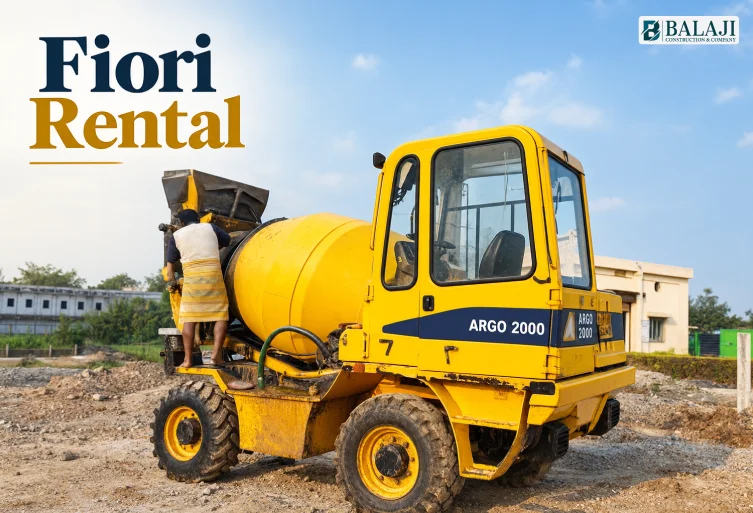
Ready Mix Concrete (RMC) is pre-mixed in a controlled plant environment using precise quantities of cement, aggregates, water, and admixtures. It is then transported to construction sites using specialized transit mixers, ready for immediate use.
Unlike site-mixed concrete, RMC eliminates human error in measuring and mixing materials. It ensures uniformity, consistent strength, and high-quality concrete for all types of construction projects.
RMC plants follow strict quality control measures, testing concrete for slump, compressive strength, and workability to meet design requirements. This makes RMC a reliable solution for both large-scale and residential construction.
How Site-Mixed Concrete Differs from RMC
While both RMC and site-mixed concrete serve the same purpose, their preparation process and quality control make all the difference.
Site-mixed concrete is prepared manually on construction sites. Workers mix cement, sand, aggregates, and water in varying proportions using shovels or mixers.
This process is prone to inconsistency and errors, which can affect the concrete’s strength and durability.
Challenges of Site-Mixed Concrete
Site-mixed concrete presents several challenges that RMC overcomes:
- Inconsistent Quality: Manual mixing often results in uneven distribution of materials.
- Time-Consuming Process: Preparing concrete onsite slows down construction timelines.
- Labor Intensive: Requires more manpower to mix, transport, and place concrete.
- Risk of Errors: Incorrect water-cement ratio or improper mixing reduces concrete strength.
- Wastage: Excess materials are often wasted, increasing project costs.
With RMC, these issues are minimized because every batch is prepared under controlled conditions using precise measurements.
Advantages of RMC Plants Over Site-Mixed Concrete
Using RMC offers numerous advantages for construction projects. Builders and contractors prefer it for its quality, speed, and reliability.
Before diving into specific advantages, it’s important to note that the consistent quality of RMC reduces repair costs, improves safety, and ensures long-lasting structures.
Consistent Quality
One of the biggest benefits of RMC is uniform quality. RMC plants use automated batching systems to measure every ingredient accurately. This ensures each batch has the same strength, workability, and durability.
Site-mixed concrete, on the other hand, depends on manual skills and measurement accuracy, making it more susceptible to inconsistencies.
Faster Construction
Construction projects benefit from RMC because it is ready-to-use upon arrival. There’s no need to mix concrete onsite, saving time and enabling faster project completion.
This advantage is particularly crucial for large infrastructure projects where timelines and efficiency are critical.
Cost-Effective
Although RMC may appear slightly more expensive initially, it reduces labor costs, material wastage, and the need for rework. Over time, these savings outweigh the upfront cost, making RMC a more economical choice.
Enhanced Durability
Concrete from RMC plants is stronger and more durable than site-mixed concrete due to precise water-cement ratios and consistent mixing. This ensures that structures withstand environmental stresses, heavy loads, and long-term wear and tear.
Quality Control in RMC Plants
RMC plants follow strict quality control protocols to ensure every batch meets high standards.
Before discussing quality control, it’s important to understand that consistent quality is what makes RMC superior to site-mixed concrete.
Automated Batching Systems
Modern RMC plants use computerized batching systems to measure cement, sand, aggregates, and water accurately. Automation eliminates human error and ensures every batch meets design specifications.
Lab Testing and Verification
Concrete samples from RMC plants undergo various tests, such as compressive strength tests, slump tests, and durability assessments, before delivery. This guarantees that only high-quality concrete reaches construction sites.
Admixture and Additives
RMC allows the incorporation of special admixtures to improve workability, control setting time, and enhance strength. Site-mixed concrete often struggles to achieve these improvements due to lack of equipment and precision.
Environmental Benefits of RMC
RMC is not only superior in quality but also contributes to sustainable construction.
By reducing waste, optimizing energy usage, and controlling water consumption, RMC supports eco-friendly building practices.
- Reduced Waste: Pre-measured batching minimizes leftover cement, sand, and aggregates.
- Lower Carbon Footprint: Centralized plants optimize transportation and energy use.
- Controlled Water Usage: Precise water-cement ratios prevent excess water consumption.
Using RMC contributes to both environmental sustainability and cost savings in construction
Common Applications of Ready Mix Concrete
RMC is versatile and suitable for various construction projects, ranging from residential buildings to infrastructure projects.
- Residential homes and apartments
- Commercial complexes and offices
- Roads, highways, and flyovers
- Bridges and industrial facilities
Using RMC ensures consistent quality, structural integrity, and faster construction across all applications.
How to Choose the Right RMC Supplier
Choosing the right RMC supplier is crucial for maintaining concrete quality. The right supplier ensures timely delivery, proper mix grades, and consistent quality.
Before placing an order, consider these points:
- Proximity to Site: Short transit time prevents premature setting.
- Quality Certifications: ISO or BIS-certified plants follow standardized protocols.
- Concrete Grades: A reliable supplier offers multiple grades for different construction needs.
- Delivery Reliability: On-time delivery ensures uninterrupted construction.
Selecting a certified RMC supplier ensures your project benefits from high-quality concrete and reduced risks.
Conclusion
In modern construction, RMC plants provide a superior alternative to site-mixed concrete. The advantages are clear: consistent quality, faster construction, durability, cost-effectiveness, and environmental benefits.
Investing in ready mix concrete ensures structures are safe, durable, and built efficiently. For any construction project, choosing RMC over site-mixed concrete is not just a preference—it’s a smart decision that delivers long-term value.
FAQs
Have questions? We’ve answered some of the most common queries to help you understand the topic better
Q1: Is RMC more expensive than site-mixed concrete?
A1: RMC may have a slightly higher initial cost, but it saves money on labor, reduces wastage, and ensures quality, making it cost-effective overall.
Q2: Can RMC be used for small construction projects?
A2: Yes, RMC is available in small quantities and can be customized for residential or minor construction projects.
Q3: How is RMC delivered to construction sites?
A3: RMC is delivered using transit mixers, which keep the concrete fresh and workable until placement.
Q4: Does RMC improve the durability of structures?
A4: Absolutely. RMC ensures uniform mixing, precise water-cement ratio, and quality materials, enhancing strength and longevity.
Q5: How do I choose a reliable RMC supplier?
A5: Look for certified plants, proximity to your site, timely delivery, and the ability to provide concrete grades suited to your project.
Post a comment Cancel reply
Related Posts
Badli Fiori Rental Services – Affordable & Efficient
The construction industry in Badli, Rajasthan, is witnessing rapid growth, driven by residential, commercial, and…
Concrete Boom Pumps Are Available For Rent in Ajmer
When it comes to modern construction, speed, efficiency, and precision are not optional—they are mandatory.…
Sarwar RMC Plant – Smooth Concrete Pouring for Modern Construction
Construction activity in Sarwar and the Ajmer district of Rajasthan has increased rapidly in recent…
Parbatpura Builders Choose Fiori Rental for Faster Construction
Parbatpura in the Ajmer district is rapidly becoming a hub for residential and commercial development.…